What Is an AI Agent and How Businesses Use It in 2026

Executive Summary Definition: AI agents are autonomous systems that perceive data, reason through complex goals, and execute multi-step workflows across enterprise software without human intervention. Market Momentum: The global AI agent market is projected to reach RM 31.2 billion by the end of 2025, driven by a 40% annual growth rate. Core Benefit: Organizations adopting agentic workflows report productivity gains of 26% to 55% by automating 15% to 50% of routine business tasks.Artificial Intelligence has rapidly evolved from simple automation tools into sophisticated systems capable of reasoning, decision-making, and independent action. One of the most important developments in this evolution is the emergence of AI agents. In 2026, AI agents are becoming central to how organisations automate operations, deliver customer experiences, and make data-driven decisions. Businesses are increasingly deploying AI agents to manage workflows, support customers, analyse information, and perform tasks that previously required human involvement. The growing interest in AI agents is supported by strong market data. According to industry research, the global AI agents market was valued at approximately RM 21.3 billion (USD 5.4 billion) in 2024 and is expected to reach around RM 31.2 billion (USD 7.9 billion) by 2025, with annual growth exceeding 40%. Market Scale and Impact (2025–2026) Metric Estimated Value (RM) Source / Reference Global AI Agent Market RM 31.2 Billion Precedence Research (2025 Forecast) AI Business Value Generation RM 10.3 to 17.4 Trillion McKinsey Global Institute Gartner Enterprise Adoption 40% of Applications Gartner Press Release (Aug 2025) Routine Task Automation 15% to 50% WeAreTenet (2026 Industry Report) Customer Support Market RM 59.2 Billion ChatMaxima (2026 Forecast) Note: Conversions based on 2026 exchange rates (1 USD = 3.95 MYR). What Is an AI Agent? An AI agent is an intelligent software system designed to perceive information, make decisions, and perform tasks autonomously in order to achieve specific goals. Unlike traditional automation tools that follow rigid instructions, AI agents are capable of understanding context, learning from data, and adapting to changing situations. This allows them to perform complex actions such as analysing large datasets, responding to customer enquiries, and coordinating multiple business systems. AI agents typically combine several artificial intelligence technologies: Natural language processing (NLP) Machine learning algorithms Decision-making engines Enterprise system integrations These technologies allow AI agents to operate independently while still working alongside human teams. For businesses looking to deploy these capabilities, REDtone’s AI Agent solutions provide the necessary framework to turn these technologies into production-ready assets. The Rapid Rise of AI Agents in Business AI adoption across organisations has accelerated significantly in recent years. According to the Stanford AI Index, 78 percent of organisations reported using AI in at least one business function in 2024, a significant increase compared to previous years. Within this broader AI landscape, AI agents are emerging as a major area of investment. For example, research indicates the following: Nearly 60 percent of business leaders plan to adopt AI agents within a year as part of their digital transformation strategies. The AI agents market is projected to grow rapidly, potentially reaching RM 722.5 billion (USD 182.9 billion) by 2033  Gartner predicts that 40 percent of enterprise applications will include task-specific AI agents by 2026, up from less than 5 percent in 2025. How AI Agents Work AI agents operate through a cycle of perception, decision, and action. This process allows them to interact with their environment and complete tasks effectively. 1. Data Perception AI agents begin by collecting information from various sources. These sources may include customer queries, enterprise databases, documents, sensors, or business applications. 2. Analysis and Decision Making Once information is collected, the AI agent processes the data using machine learning models and decision frameworks. This allows the system to determine the most appropriate action based on the available information. For instance, an AI agent responding to a customer enquiry might analyse the request, identify the relevant product information, and determine whether the issue requires escalation to a human support team. 3. Action and Automation After making a decision, the AI agent performs the appropriate task. This could include answering a customer question, updating records in a CRM system, generating reports, or triggering workflow automation. How Businesses Are Using AI Agents in 2026 Customer Support Automation Customer service is one of the most common applications of AI agents. The global AI customer service market is projected to reach over RM 59.2 billion (USD 15 billion) by 2026, reflecting strong demand for intelligent automation tools. Sales and Lead Management AI agents are increasingly being used to support sales teams by managing leads and guiding potential customers through the buying process. For example, REDtone’s AI Agent solutions can qualify leads automatically, provide product information, and schedule meetings with sales representatives. Workflow and Process Automation Beyond customer-facing roles, AI agents are also being deployed internally to automate business processes. Research suggests that companies adopting AI agents can automate 15 to 50 percent of routine business tasks by 2027, significantly improving productivity. The Benefits of AI Agents for Businesses Organisations adopting AI agents often report measurable operational improvements: Improved Efficiency: Studies suggest businesses using AI technologies may see productivity gains ranging from 26 to 55 percent. Faster Response Times: AI agents can instantly respond to customer enquiries, reducing delays and improving service quality. Better Scalability: AI agents can handle thousands of interactions simultaneously without additional staffing costs. Data-Driven Decision Making: Research suggests that AI technologies could generate between RM 10.3 trillion and RM 17.4 trillion in value annually across business use cases The Future of AI Agents As artificial intelligence technologies continue to advance, AI agents are expected to become even more capable and widely adopted. Future developments will likely focus on: deeper integration with enterprise systems improved reasoning and planning capabilities multi-agent collaboration enhanced security and governance frameworks Industry analysts predict that by 2028, agentic AI will be embedded in a large share of enterprise software, transforming how organisations operate and make decisions. For businesses, the question is no longer whether AI agents will become important, but how
Read more

Enterprise AI Automation: Accelerating Digital Transformation for Malaysian Organisations

This article is brought to you by REDtone. Learn more about REDtone’s AI Agent platform and intelligent automation capabilities here Learn More As Malaysian enterprises continue to modernise, many are discovering that traditional automation alone is no longer enough. Manual processes, fragmented systems, and static rule-based workflows often struggle to keep pace with growing operational complexity, regulatory requirements, and rising customer expectations. Enterprise AI automation has emerged as a critical enabler of digital transformation in Malaysia. By combining artificial intelligence with enterprise workflow automation, organisations can move beyond basic process efficiency toward smarter, more adaptive operations that support decision-making, scalability, and long-term business resilience. What Is Enterprise AI Automation? Enterprise AI automation refers to the use of artificial intelligence technologies alongside workflow automation to optimise and manage end-to-end business processes across the organisation. Unlike traditional automation, which relies on predefined rules, AI-driven automation can interpret data, recognise patterns, and support context-aware decisions. In practical terms, enterprise AI automation enables organisations to automate workflows while also introducing intelligence into areas such as task prioritisation, information analysis, decision support, and exception handling. This makes it especially suitable for complex enterprise environments in Malaysia, where organisations often operate across multiple departments, systems, and regulatory frameworks. Why Enterprise AI Automation Matters for Malaysian Enterprises Many organisations in Malaysia face similar operational challenges: Heavy reliance on manual and paper-based processes Long approval cycles and inconsistent decision-making High administrative overhead in reporting and compliance Limited visibility across systems such as CRM, finance, and operations Enterprise AI automation addresses these challenges by digitising workflows and enhancing them with intelligence. AI-powered processes help organisations improve speed, accuracy, and consistency, while also providing better insights into operational performance. As businesses scale regionally or manage higher transaction volumes, enterprise AI automation provides the flexibility and control needed to grow without proportionally increasing operational complexity or headcount. Core Benefits of Enterprise AI Automation Improved Operational Efficiency AI-powered workflows reduce manual handoffs, automate repetitive tasks, and accelerate approvals. This leads to faster turnaround times and improved productivity across departments.   Smarter Decision Support Enterprise AI automation introduces AI-assisted decision-making into everyday processes. Teams can access relevant information, recommendations, and insights at the point of action, improving decision quality without removing human oversight.   Greater Accuracy and Standardisation By applying consistent logic and learning from data, AI-driven automation reduces errors and ensures processes align with organisational policies and governance standards.   Enhanced Visibility and Control Real-time dashboards and workflow monitoring give leaders clear visibility into performance, bottlenecks, and compliance status, enabling more informed management decisions.   Scalable Enterprise Operations AI automation supports growth by allowing organisations to handle increased workload and complexity without linear increases in resources. The Role of AI Agents in Enterprise Automation As enterprise AI automation matures, many organisations are adopting AI Agents to support complex workflows. These AI Agents act as intelligent assistants within enterprise processes, helping teams analyse information, surface insights, and execute tasks more efficiently. In 2025, REDtone expanded its enterprise AI automation capabilities through a proprietary AI Agent platform designed to support industry-specific workflows. These AI Agents are embedded into existing processes to assist employees with speed, accuracy, and informed decision-making, while maintaining appropriate governance and human control. The focus is on practical, enterprise-ready intelligence that integrates seamlessly into real operational environments across Malaysia. Common Enterprise AI Automation Use Cases in Malaysia Human Resources AI-powered workflows support recruitment screening, onboarding, employee enquiries, and leave management. This reduces administrative workload while maintaining consistency and compliance. Customer Service Enterprise AI automation enables intelligent ticket routing, escalation management, and knowledge retrieval, helping service teams improve response times and service quality. Finance and Accounting AI-driven workflows assist with reconciliation, reporting, forecasting, and anomaly detection, improving accuracy and supporting audit readiness. Legal, Compliance, and Governance AI automation supports audit preparation, SOP searches, regulatory monitoring, and document review, helping organisations meet governance and compliance requirements more efficiently. Research and Analytics AI-powered workflows summarise data, generate reports, and surface insights, enabling faster analysis and better informed decision making. Operations Cross-system AI automation coordinates approvals, task handoffs, and exception handling across departments, reducing delays and improving operational flow. Marketing and Sales Support AI-assisted workflows help manage CRM updates, lead qualification, content execution, and follow-ups, improving alignment between marketing and sales teams. A Practical Approach to Implementing Enterprise AI Automation 1. Identify High-Impact Processes Start with workflows that are repetitive, time-consuming, or prone to errors, where AI assistance can deliver immediate value. 2. Map Processes Clearly Document each step, decision point, and system involved before introducing AI automation. Clear process design is critical for success. 3. Introduce AI in Phases Begin with workflow automation, then layer in AI capabilities such as decision support, data interpretation, and intelligent routing where appropriate. 4. Measure and Optimise Continuously Use analytics and performance monitoring to evaluate outcomes, identify inefficiencies, and refine AI-driven workflows over time. Security, Governance, and Enterprise Readiness For Malaysian enterprises, enterprise AI automation must align with internal governance policies, data protection requirements, and industry regulations. Best practices include role-based access control, audit logging, secure data handling, and clear accountability for AI-assisted decisions. Enterprise-grade AI automation prioritises responsible use, transparency, and human-in-the-loop oversight to ensure trust, compliance, and long-term sustainability. Conclusion Enterprise AI automation is becoming a foundational pillar of digital transformation for organisations in Malaysia. By combining intelligent automation with structured enterprise workflows, organisations can operate with greater efficiency, visibility, and adaptability. When implemented strategically, enterprise AI automation goes beyond process efficiency. It enables smarter decisions, supports scalable growth, and helps organisations navigate complexity with confidence in an increasingly digital business environment. Explore REDtone’s AI Agent platform, a no-code solution that automates workflows, enhances customer experience, and adapts intelligently without human intervention. Ideal for businesses seeking scalable, context-aware virtual agents. Learn More
Read more

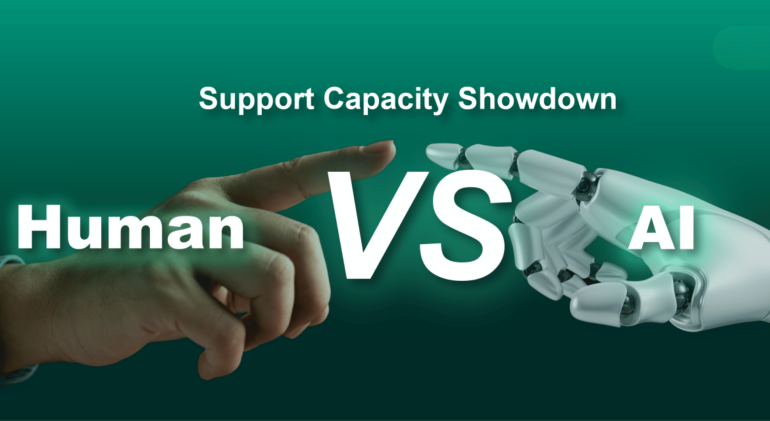
AI Agents vs Human Teams: Who Handles Customer Support Better at Scale?

In the age of hyper-personalization, 24/7 engagement, and instant gratification, businesses are under pressure to provide consistent, responsive, and scalable support—without ballooning operational costs. As more companies move toward digital transformation, one question keeps surfacing in boardrooms and IT strategy meetings: Can AI agents outperform human customer support teams—especially at scale? With the rise of intelligent, enterprise-ready AI customer service platforms like REDtone’s, the answer is not only yes—it’s already happening across multiple industries, from telco to finance and logistics. As a trusted AI provider in Malaysia, REDtone is leading this shift.
Read more

How AI Bots Revolutionize Customer Experience in the Modern Era

In today’s highly competitive business landscape, delivering an exceptional customer experience (CX) is no longer a luxury—it’s a necessity. Consumers are more digital savvy than ever and expect instant answers, personalized interactions, and seamless service across every channel. Businesses that fail to deliver risk losing not just a sale—but long-term loyalty. This is where AI bots—particularly AI chatbots for customer service—are creating transformational change. Built on sophisticated AI agent infrastructure, these bots go beyond scripted replies. They offer instant, scalable, and intelligent engagement that aligns perfectly with modern customer expectations. In this guide, we’ll explore how AI bots are reshaping customer experience, the strategic benefits they bring, and how businesses in Malaysia and beyond can implement them for lasting success.
Read more

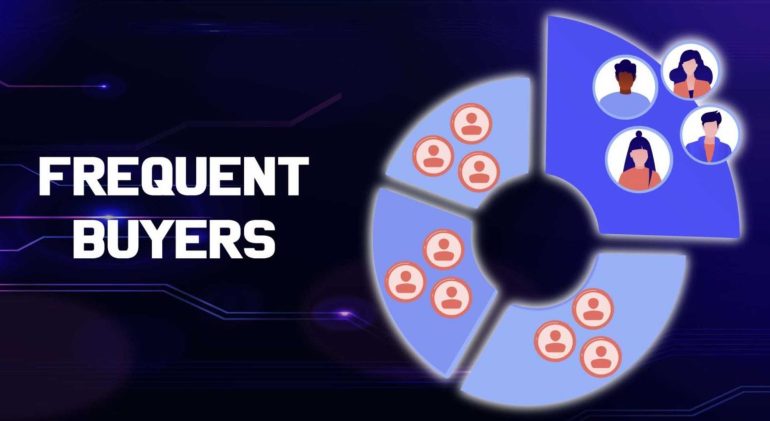
How AI Marketing Enhances Customer Segmentation for Malaysian Businesses

Customer segmentation has long been a cornerstone of effective marketing. By grouping customers based on behavior, preferences, and demographics, businesses can tailor campaigns that drive engagement, loyalty, and stronger ROI. However, traditional segmentation methods—often built on spreadsheets and static datasets—fall short in today’s fast-paced digital economy. That’s where AI marketing supported by intelligent AI agents is changing the game. AI-powered customer segmentation uses machine learning and predictive analytics to dynamically analyze customer behavior and group them in real time. This not only improves targeting accuracy but also enables hyper-personalized messaging at scale—without requiring manual oversight. In Malaysia’s highly competitive market, brands must move faster, think smarter, and engage deeper. With a backend AI agent powering insights and automation, businesses can respond to customer needs instantly, adapt to behavior shifts, and optimize campaigns with precision.
Read more